 Veteran Owned & Operated!
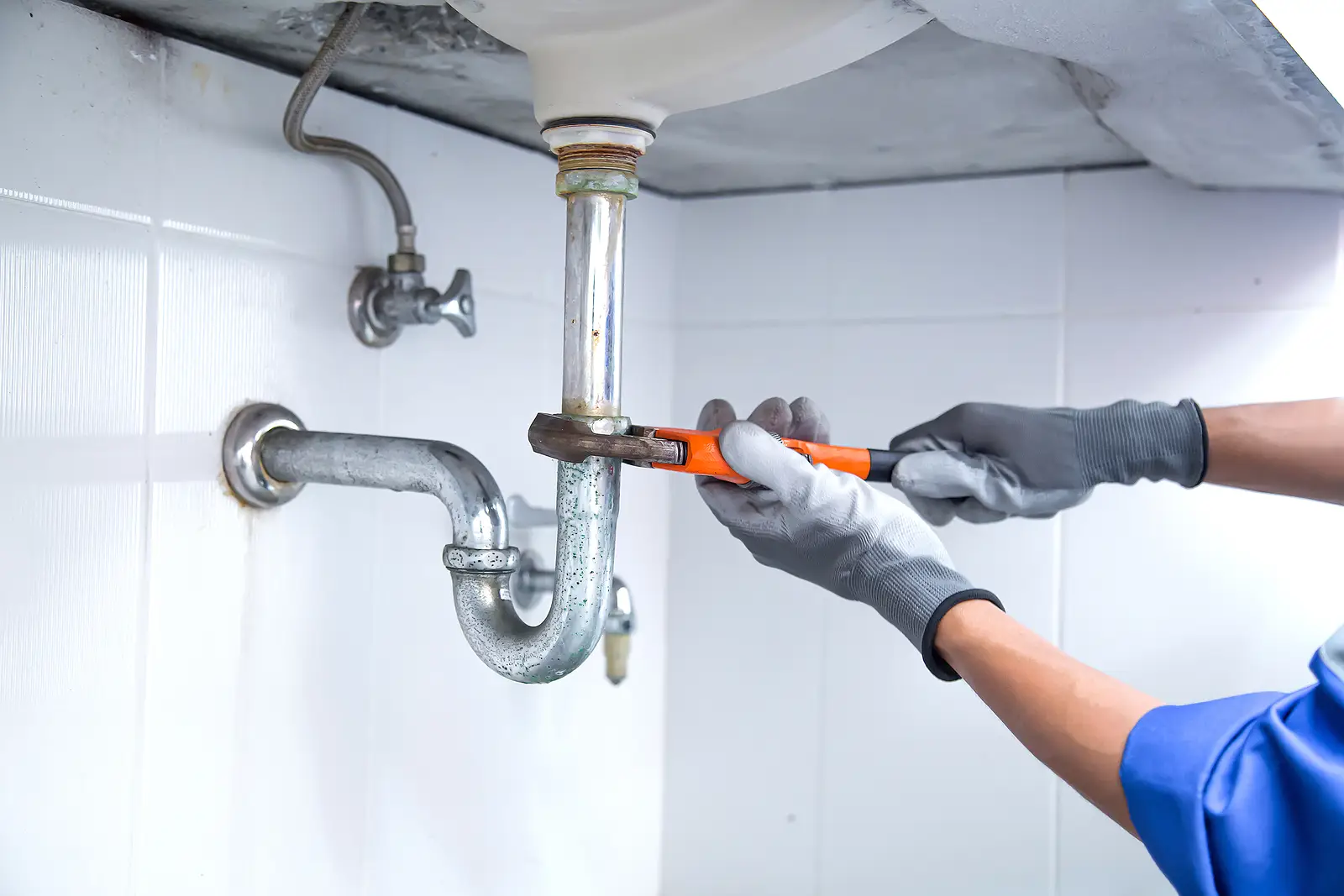
Some maintenance issues don’t fade after a fix. They return, sometimes quickly, sometimes after a short break, but often in a way that starts to feel familiar. Taking a closer look at your inspection and maintenance approach can help uncover patterns that point to deeper inefficiencies rather than one-time problems.
In Charlotte, where rental demand remains strong and tenant expectations continue to rise, recurring minor repairs can slowly affect how your property performs. They increase operational costs, disrupt routines, and make it harder to maintain consistent tenant satisfaction when problems don’t stay resolved.
Key Takeaways
- Recurring minor repairs often signal deeper system inefficiencies
- Temporary fixes can lead to higher long-term maintenance costs
- Delayed upgrades reduce reliability and increase repair frequency
- Consistent maintenance supports tenant satisfaction and retention
- Tracking repair patterns helps prevent ongoing issues
Why Recurring Minor Repairs Deserve Closer Attention
When a repair repeats, it’s rarely a coincidence. It usually means something beneath the surface hasn’t been addressed.
Looking at maintenance history helps you identify where problems are coming from. Instead of treating each issue separately, you can start to see how often certain repairs happen and what systems are involved. Reviewing tenant maintenance expectations can also help determine whether the issue is related to usage or infrastructure.
Common Warning Signs
- Plumbing issues that return after recent service
- HVAC systems that require frequent repairs
- Electrical problems affecting the same areas
These recurring signs often point to deeper system concerns that need more than a temporary fix.
How Repeated Repairs Increase Expenses
A single repair may not seem costly. The challenge appears when the same issue keeps coming back.
Each service visit involves labor, materials, and scheduling time. When repairs repeat, those costs grow quickly. According to national housing data, median monthly owner expenses reached $2,035 in 2024, showing how property-related costs continue to rise.
Temporary fixes usually address the visible issue, not the cause. That’s why the problem returns and requires another round of repairs. Over time, this cycle can cost more than addressing the issue properly from the start.
Planning ahead with rental budgeting strategies can help you better manage these recurring expenses.
Delaying Upgrades Can Lead to More Repairs
Putting off upgrades may seem practical, but it often results in more frequent breakdowns. Older systems become less efficient and more prone to failure over time.
In Charlotte, where seasonal weather shifts can affect heating and cooling systems, aging equipment often struggles to perform consistently.
Effects of Delaying Improvements
- Increased frequency of maintenance calls
- Higher energy bills due to inefficiency
- Reduced the lifespan of major systems
- Greater risk of unexpected breakdowns
Exploring eco-friendly upgrade options can help improve efficiency and reduce recurring issues.
Tenant Experience and Recurring Issues
Tenants expect reliable living conditions. When the same problem keeps returning, it affects how they view your property.
Even when repairs are handled quickly, recurring disruptions create frustration. Over time, tenants may feel their concerns aren’t fully addressed.
In Charlotte’s competitive rental market, maintaining tenant satisfaction is essential. Reliable maintenance helps build trust and encourages long-term occupancy.
Signs Tenant Confidence Is Declining
- Repeated complaints about the same issue
- Frustration during maintenance interactions
- Lower satisfaction despite timely responses
- Hesitation when discussing lease renewals
Addressing problems at the source helps improve the tenant experience and create a more stable environment.
The Broader Financial Impact
Recurring repairs can influence more than just your maintenance schedule. They also affect your long-term investment performance.
A recent housing analysis found that repair needs reached $198.4 billion in a single year, driven largely by repeated and unresolved issues.
This shows how small problems can grow into larger financial challenges when they aren’t fully resolved.
To better understand your property’s performance, reviewing a property financial overview can provide valuable insight into your expenses.
Using Data to Make Better Maintenance Decisions
Tracking maintenance activity allows you to shift from reactive to proactive management. Instead of handling each issue individually, you can identify trends and address them early.
Analyzing repair frequency, costs, and locations helps uncover inefficiencies. This information supports better planning and reduces recurring problems.
Accessing a rental performance review can help you evaluate how maintenance decisions affect your overall returns.
Building a More Reliable Maintenance System
A structured maintenance plan helps reduce recurring issues and improve property performance. Consistency ensures repairs are handled correctly the first time.
Working with experienced professionals helps identify root causes and prevent repeated problems. From vendor coordination to repair oversight, a reliable system keeps your property running smoothly.
Using property owner support tools can help you stay organized and make informed decisions.
Strengthening Long-Term Property Stability
Recurring minor repairs often highlight where systems need improvement. Addressing these issues early can reduce costs, improve efficiency, and create a more predictable maintenance schedule.
Taking a proactive approach allows you to stay ahead of potential problems rather than reacting to them. This helps protect your investment and maintain strong property performance in Charlotte’s rental market.
FAQs about Recurring Minor Repairs in Charlotte, NC
What causes recurring minor repairs in rental properties?
Recurring repairs usually happen when the original issue is not fully resolved. Problems such as worn components, outdated systems, or incomplete fixes can lead to repeated maintenance needs over time.
How can I identify patterns in maintenance issues?
Tracking repair history, including frequency, location, and cost, helps reveal patterns. Regular reviews of this data allow you to spot recurring problems early and make better decisions about repairs or upgrades.
Are recurring repairs more common in older properties?
Yes, older properties often have aging systems that are more prone to repeated issues. Without timely updates or maintenance, these systems can require frequent repairs and lead to higher long-term costs.
When should I consider replacing a system instead of repairing it?
If repair costs continue to increase and issues happen frequently, replacement may be the more cost-effective solution. Upgrading systems can improve efficiency and reduce the need for ongoing repairs.
How do recurring repairs affect tenant retention?
Repeated maintenance issues can frustrate tenants and reduce their confidence in the property. Even when repairs are handled quickly, ongoing problems may influence their decision to renew or move elsewhere.
Stability Starts With Solving the Right Problems
Letting the same repair cycle continue can slowly pull your property into a pattern of unpredictable costs and tenant frustration. Shifting your focus toward deeper solutions helps create a more dependable system that supports long-term performance.
At PMI Charlotte Metro, we look beyond surface-level fixes to resolve issues at their source and keep your rental operating with greater consistency. When recurring problems begin to stack up, it’s time to move in a more effective direction. Unlock stronger property performance with our maintenance services and reduce repeated disruptions across your rental.
