 Veteran Owned & Operated!
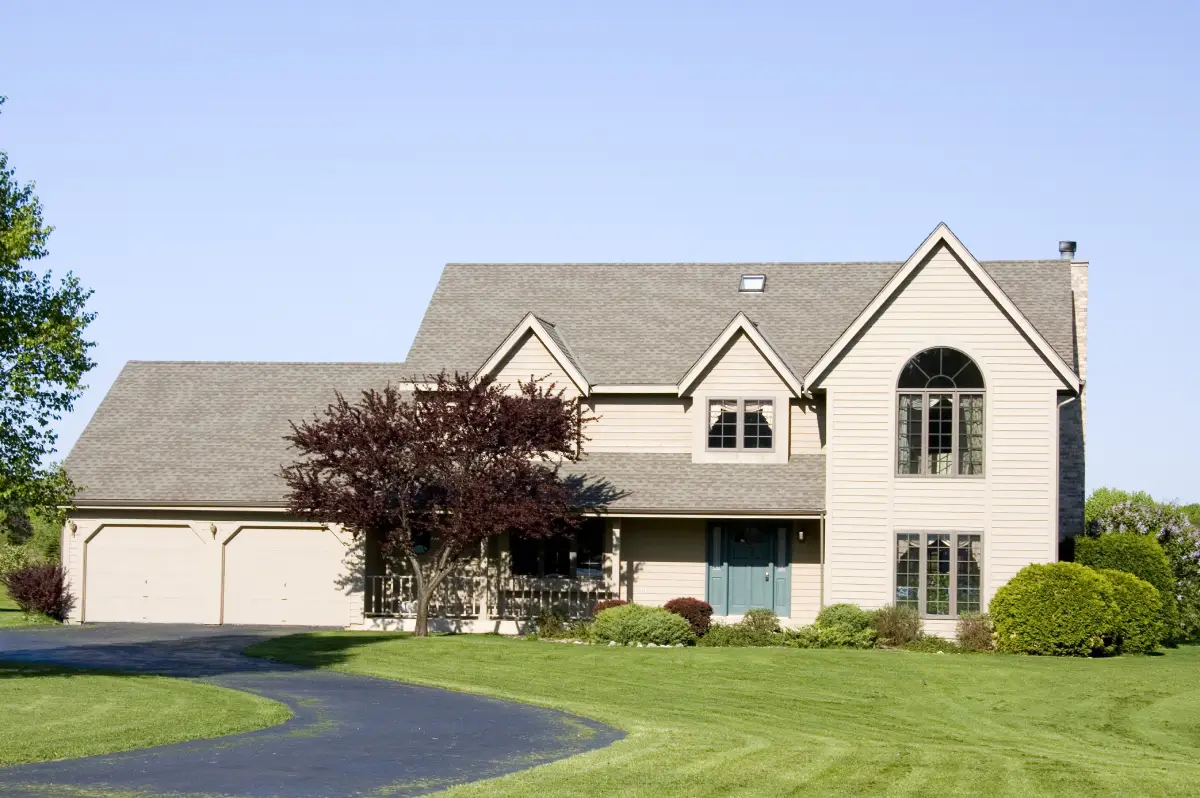
In Charlotte, building a calmer, more profitable rental portfolio often starts with the numbers and the habits behind them, and our rental-budgeting tips can help you spot patterns before they become problems. Single-family rentals tend to reward owners who want steadier operations, fewer day-to-day surprises, and clearer decision-making when the market shifts.
Multifamily properties can provide scale, yet they also introduce shared systems, shared spaces, and shared friction. Detached homes remove a lot of that complexity. When you’re focused strictly on residential performance in Charlotte, the operational advantages of single-family homes are hard to ignore.
Key Takeaways
- Single-family rentals usually mean fewer shared-space disputes and fewer daily interruptions.
- Outdoor space and privacy can boost renewals and reduce turnover costs.
- Unique homes often face less direct competition than identical apartment units.
- Repairs are easier to plan when infrastructure isn’t shared across multiple households.
- Clearer ownership structure supports smoother reporting and long-term growth.
Privacy by Design, Fewer Issues to Mediate
Single-family living creates distance between households, and that distance reduces conflict. This section matters because many “small” resident complaints come from shared living conditions rather than the home itself.
Less shared space, fewer shared problems
Detached homes don’t have hallways, stairwells, elevators, or lobby traffic to manage. That typically means fewer noise disputes, fewer parking misunderstandings, and fewer situations where you’re asked to referee neighbor tensions.
A quieter experience supports stable routines
Charlotte renters who prioritize peace and personal space often prefer a house over a unit. When residents feel comfortable at home, communication tends to be more predictable and less reactive, which makes property operations easier to manage over the long term.
Outdoor Space That Helps Tenants Settle In
Single-family rentals stand out in Charlotte because they often deliver something many renters can’t get in larger complexes, a private outdoor area. A yard, patio, or driveway can shift a property from “temporary” to “I can see myself here.”
Why outdoor space improves retention
Outdoor features are lifestyle upgrades, and they can make renewals feel like the simplest option. That’s especially true for households with pets, weekend routines, or a desire for personal space that doesn’t require sharing with neighbors.
Here are a few outdoor benefits we see tenants respond to most often:
- Private yards that support pets, play, and outdoor downtime
- Driveways that ease parking stress and visitor logistics
- Patios and porches that add usable living space without remodeling
When you pair these features with responsive coordination, single-family homes can become the kind of rental a resident keeps for years instead of seasons.
Floor Plans That Flex With Real Life
A strong layout reduces turnover because it reduces the need to move. Charlotte renters are balancing remote work, blended households, and changing schedules, so a home that adapts keeps its value longer.
Rooms that do more than one job
Bonus rooms, finished basements, loft spaces, and defined dining areas give residents options. That flexibility can support a home office, a nursery, a hobby room, or a guest setup without making the home feel cramped.
Planning improvements with an asset mindset
When you think about updates, the goal is to strengthen the property’s long-term appeal. Our take on asset-management best practices can help you evaluate which upgrades are worth prioritizing for residential performance in Charlotte.
Pricing Power in a Market With Strong Detached-Home Demand
Pricing pressure looks different for single-family rentals. Instead of competing against a dozen matching units under one roof, a house competes based on neighborhood, condition, and features.
Demand signals support the segment
National pricing trends continue to reflect demand for detached housing, with the median existing single-family home price reaching $426,800 in the third quarter of 2025. That doesn’t set Charlotte rents directly, yet it does highlight how consistently buyers and renters value the single-family category.
Fewer identical comparables on the same street
Apartment communities can adjust rates quickly, and a discount in one unit can influence expectations across the building. With a single-family home, your pricing strategy can reflect unique value, like a fenced yard, a garage, a quiet cul-de-sac, or proximity to employment corridors.
That flexibility often helps owners avoid race-to-the-bottom pricing, especially in neighborhoods where rental inventory turns over fast.
Maintenance Predictability Without Shared Infrastructure
Maintenance is where single-family rentals often feel noticeably simpler. When something breaks, the impact usually stays contained to one household, which keeps scheduling and budgeting cleaner.
Fewer systems that serve multiple households
Multifamily repairs can involve shared plumbing stacks, shared HVAC lines, and common-area lighting, which creates coordination complexity. Single-family homes tend to isolate issues, so diagnostics are faster and repair plans are more straightforward.
Clearer tracking and documentation
Even with simpler properties, good records matter. When you’re organizing lease terms, vendor responsibilities, and renewal dates, streamlined documentation can reduce confusion. Our overview of lease abstraction services highlights ways owners can keep key lease details easy to access and easy to act on.
Financial Clarity and Reporting That Stays Manageable
Residential investing is a business, and the business runs smoother when your reporting is consistent. Single-family rentals often make it easier to separate income, expenses, and property-specific performance without layers of shared-cost allocation.
Strong bookkeeping supports better decisions
When you can quickly see what a property costs to operate, you can react faster and plan smarter. Many owners choose to streamline processes by leaning on outsourcing property accounting so monthly reconciliation, reporting, and financial visibility don’t become a constant stressor.
A quick note on rent dynamics
Single-family rentals often command a premium relative to apartments, and Zillow has reported single-family rents can be 20% higher than multifamily rents. Local results still depend on the property and neighborhood, yet the broader trend supports the idea that detached homes can offer stronger pricing potential.
Risk and Tax Season, Keep It Simple and Consistent
Risk planning gets easier when liabilities are clearer. Single-family rentals usually involve fewer shared areas, fewer shared amenities, and fewer gray zones about responsibility.
Straightforward structures help with compliance
When you’re preparing year-end reporting, organized records can prevent last-minute chaos. Our tax-time 1099 guide lays out practical considerations that help owners stay ready for filing season without scrambling.
Insurance conversations tend to be clearer
Coverage needs vary, yet single-family homes often avoid the layered exposure that comes with shared stairwells, shared entryways, and shared facilities. That clarity can support easier decision-making when you’re comparing policies and evaluating risk.
Scaling in Charlotte Without Losing Control
Single-family homes often fit investors who want to grow gradually while keeping a close eye on performance. Instead of taking on a large building all at once, you can expand one home at a time and refine systems as you go.
Step-by-step growth that stays residential
A gradual approach can help you preserve quality standards while building momentum. You can test leasing strategies, vendor workflows, and maintenance plans in one property, then apply what works to the next.
When support matters most
Growth becomes easier when your operations are consistent, especially as you add doors. We help owners build residential systems that scale without turning into a second full-time job.
FAQs about Single-Family Homes in Charlotte, NC
What types of renters usually prefer single-family homes in Charlotte?
Families, remote workers, and long-term residents often choose houses for privacy, extra rooms, and outdoor space. They also tend to value neighborhood feel, which can support longer stays and steadier renewal rates.
Do single-family rentals in Charlotte sit vacant longer than apartments?
Many well-priced homes in strong neighborhoods lease quickly because there are fewer directly comparable options. Condition, marketing speed, and pet-friendly policies can influence days on market more than property type alone.
How does maintenance planning differ for single-family properties?
Repairs usually affect one household, so scheduling is simpler and costs are easier to assign. You also avoid many shared-system problems that can trigger multiple complaints and create urgency across several units.
Are single-family homes a good fit for newer residential investors?
They can be, since ownership, budgeting, and operations are often easier to understand. Starting with one house allows you to refine leasing and maintenance routines before expanding into additional properties across Charlotte.
What features help a Charlotte single-family rental stand out?
Functional layouts, good natural light, safe parking, and a usable yard tend to attract strong applicants. Clean finishes and responsive upkeep also matter, since renters often compare homes based on how “move-in ready” they feel.
Shape a Residential Strategy Built for Charlotte
Choosing the right property type sets the tone for everything that follows, from how often your phone rings to how confidently you plan your next move. In Charlotte, single-family rentals often create space for clearer decisions, steadier performance, and systems that don’t collapse under growth.
At PMI Charlotte Metro, we work alongside residential owners to turn those advantages into repeatable results. From refining workflows to aligning each home with neighborhood demand, our focus stays on helping you operate with intention instead of reacting to problems. Build your owner success plan by visiting our owner services page and see how a tailored residential approach can support your long-term goals.
